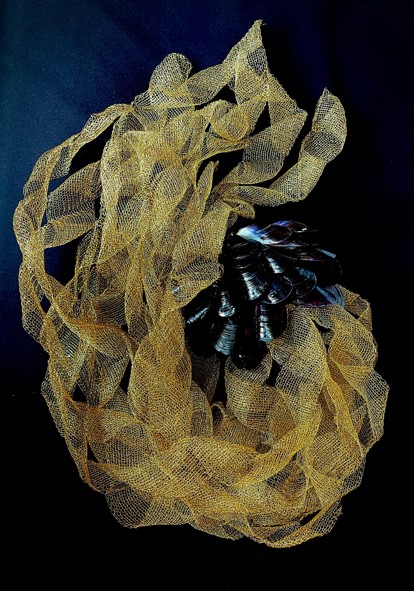
Who is heard and who is not defines the world around us.
In 1928, the Chicago Public Library banned The Wonderful Wizard of Oz arguing that the story was ungodly for ‘depicting women in strong leadership roles.’ So is it any wonder that women occupy so little of recorded history (just 0.5%) when any mention of our abilities or contributions contravenes the social order? Sure, there are the occasional ones that get mentioned like Joan of Arc, Catherine the Great or Elizabeth the 1st, but in comparison to male figures it’s a drop in the ocean.
I’d like to hope that we are living in more enlightened times 100 years later, but women are still insufficiently present in current key roles and debates. Though with female MPs receiving ten times as much trolling on social media than their male counterparts it’s hardly surprising that there comes a time when constant threats to friends, family and to one’s self become too much of a price for any woman to pay. Even in other spheres of work, women still hold fewer senior positions than men and are listened to less often than their male counterparts. I suppose we should be grateful that the scold’s bridle went out of use, though the current carnival of shaming and threatening women who dare to lead others would be recognised all too well by 17th century people[1].
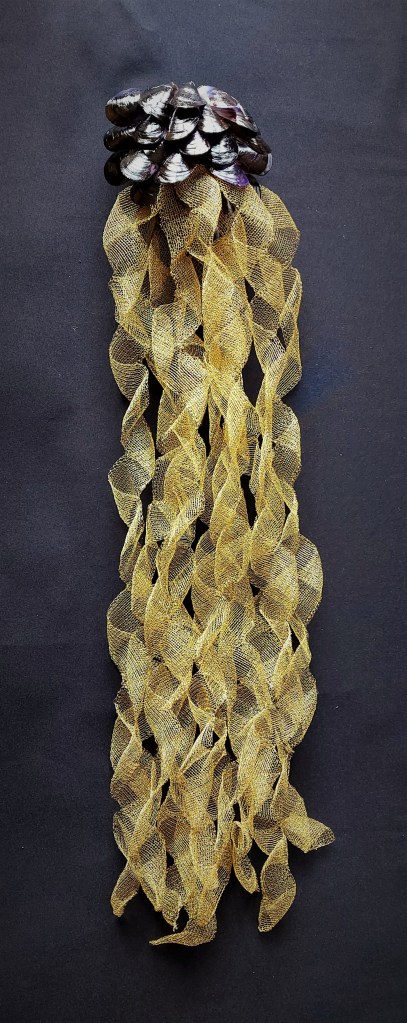
All of which makes me reflect on the little mermaid by Hans Christian Andersen. In the original tale, despite being warned, the little sea-maid willingly cuts out her tongue believing that her ‘long thick hair and gliding gait’ would be sufficient to win the Prince’s heart. It doesn’t work. She is treated like a pet and a doll. Being able to speak, to be heard, to be believed, are crucial parts of membership in a family, a community, a society. It is not something anyone should relinquish.
Who is heard and who is not defines the world around us.
[1] https://longreads.com/2019/01/15/the-silence-of-women/
[1] https://blog.english-heritage.org.uk/women-written-history-interview-bettany-hughes/
[2] https://www.instituteforgovernment.org.uk/content/parliament-summary-gender
[3] https://www.socialmediatoday.com/social-networks/gender-specific-behaviors-social-media-and-what-they-mean-online-communications
 Jen Cable Art