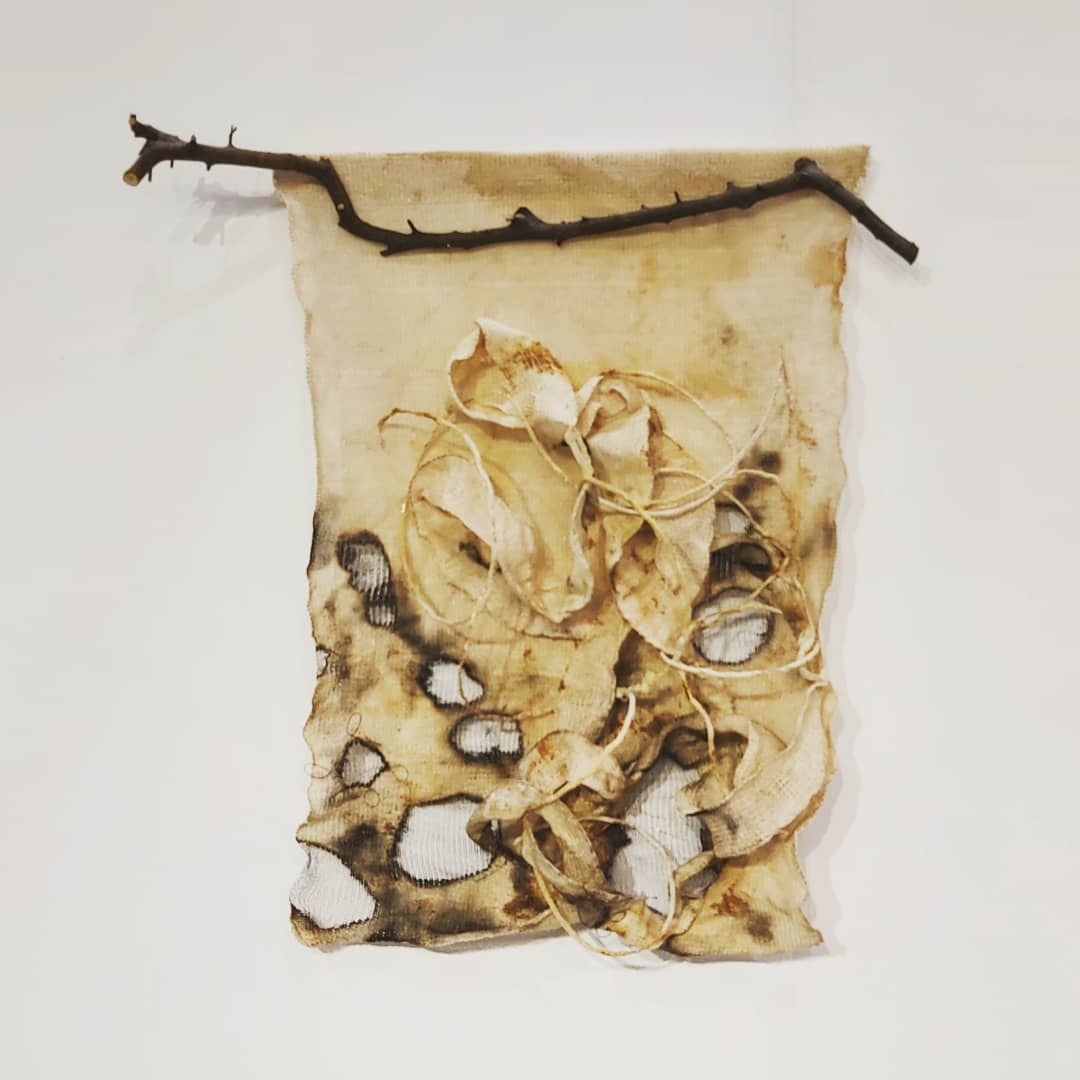
The suffragette Matilda Gage suggested that the persecution of witches had nothing to do with fighting evil or resisting the devil. It was simply entrenched social misogyny, the goal of which was to repress the intellect and influence of women. Considering the origin of the word witch comes from Wica, meaning wise, it makes perfect sense. Women were hounded by hysterical mobs and then burnt for challenging the boundaries of society, just for being skilled, opinionated or having valuable knowledge such as mid-wifery or herbal cures.
A witch simply meant someone that transgressed the norms of female power that the mainstream found acceptable. If they punished rather than valued her, it protected their own power base and made others afraid to follow in her footsteps and more easily controlled. Perhaps that’s why we see so much trolling of women who dare to speak up; whether as journalists, MPs or from any other position of authority. Apparently as women who show ambition, we are abominations who must be shamed or threatened to keep our perfidy from infecting others.
When I was a little girl (in 1977), a national newspaper published a series of articles about ‘moral choices in contemporary society’[1]. In it, the professor argued that the role of culture is to establish limits to acceptable human behaviour. He explained that ‘a culture only survives as far as the members learn to narrow their choices otherwise open to them’.
I don’t want to be part of a culture that is frozen in the past. I want to be part of a developing world, in which we can all thrive. Clinging to outdated ideas, or the status quo will only hinder all our progress.

[1] The Telegraph, 1977, Courses By Newspaper: The Nature Of Morality—I. – Page 6
 Jen Cable Art
The Burnt at the Stake post reminds me of the themes in The Last Witch a play by Rona Munro
LikeLike
I don’t know this play, sounds intriguing. I’ll have to find out more.
LikeLike